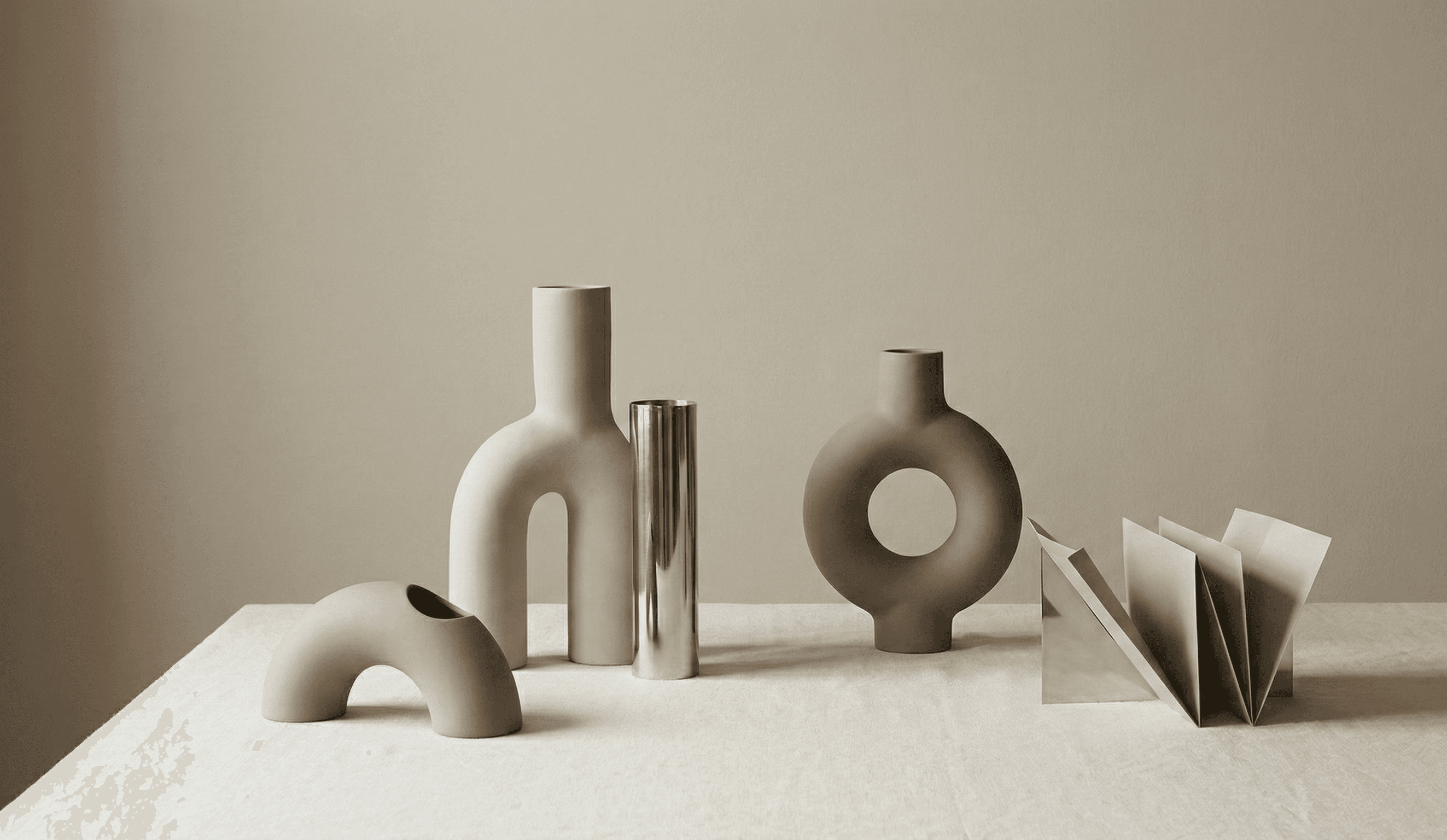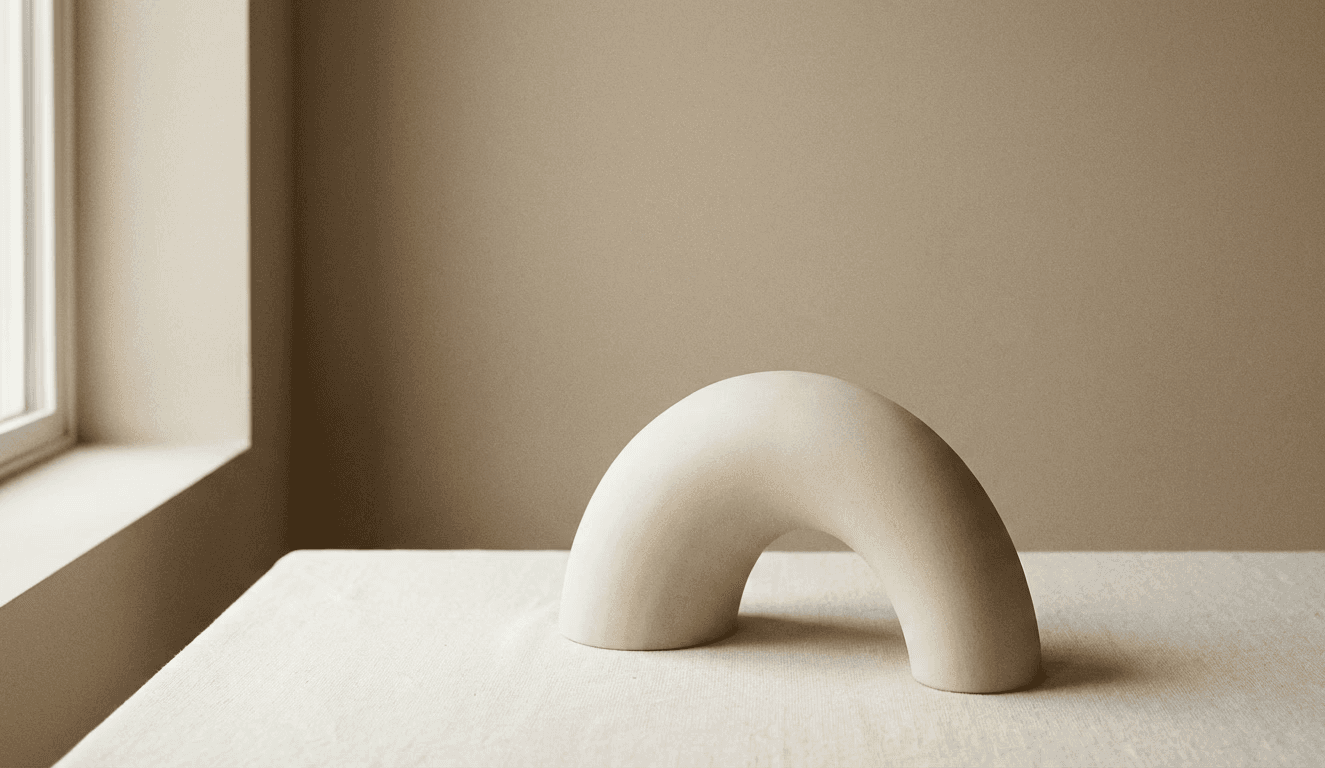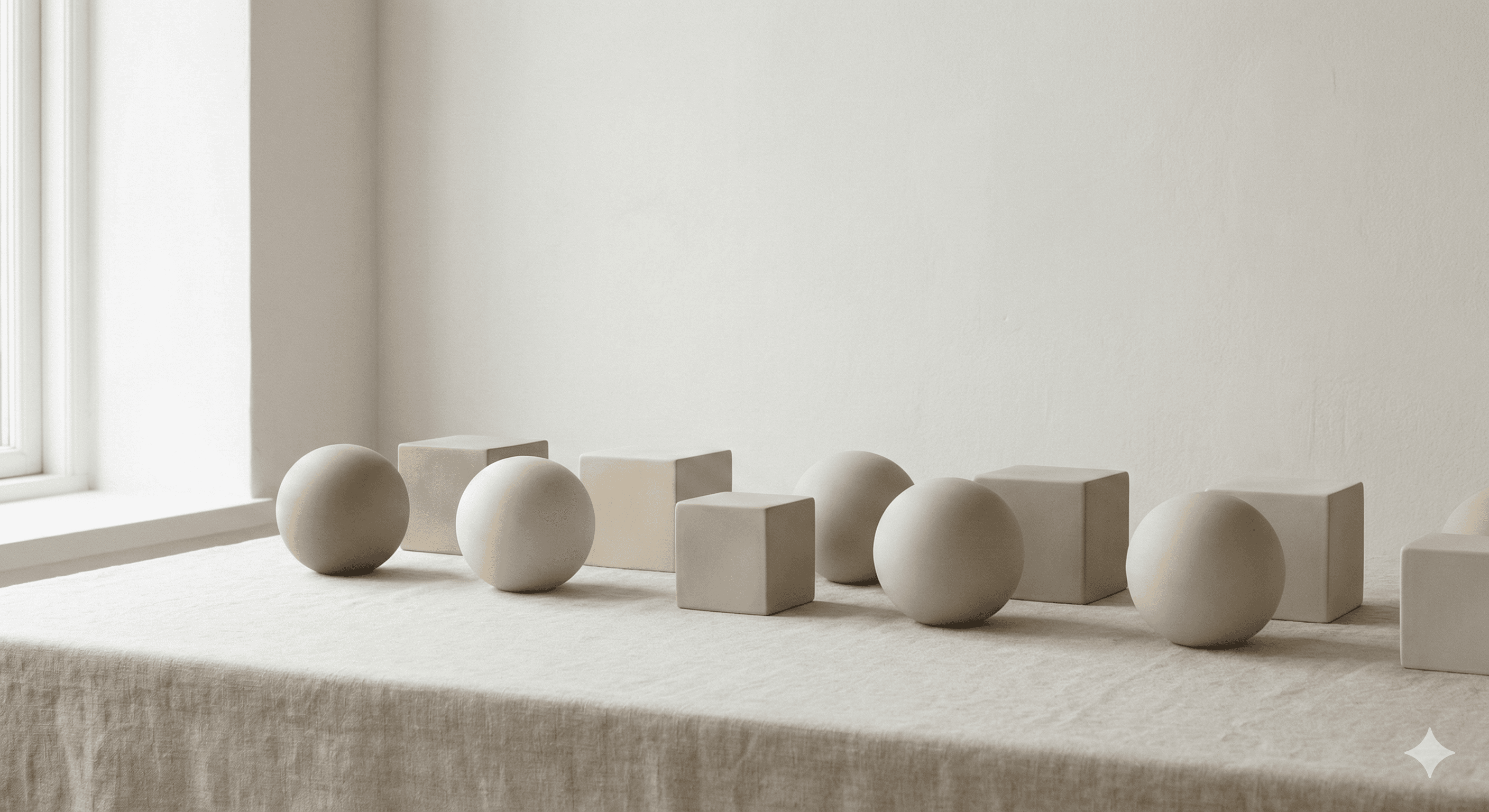
Calm in visual design is not accidental. It is the result of consistency - repeated patterns, controlled variation, and a deliberate approach to how elements relate to one another.
Consistency is often unnoticed - but deeply felt.
It shapes how we experience images, spaces, and sequences without demanding attention.
In a world of constant visual input, consistency introduces clarity.
The rhythm of repetition
When elements repeat - tones, textures, compositions - they create rhythm.
This rhythm allows the viewer to move through images without friction.
There is no need to adjust or reinterpret constantly.
The experience becomes smooth, almost intuitive.
Reducing visual noise
Inconsistency introduces tension.
Different styles, conflicting tones, or irregular compositions can make a space feel unsettled.
Consistency, on the other hand, removes unnecessary complexity.
It simplifies the visual field, allowing each element to exist without competing.
Building a cohesive language
A consistent visual approach is not about uniformity.
It is about coherence.
Each image can be different, but they should feel connected - through light, composition, or mood.
This connection creates a sense of belonging between pieces.
Calm through clarity
Calm is not the absence of detail.
It is the absence of conflict.
When visuals align, the viewer does not need to question what they are seeing.
They can simply experience it.
And in that clarity, the work feels complete.